■ Manufacturing since 2020 · Sialkot, Pakistan
Guides for fightwear brands · Sialkot, Pakistan
Everything that goes into choosing rash guard fabric: fiber blend, stretch, weight, knit and how it affects printing, comfort and durability.

Short answer: Most rash guards use a polyester/spandex knit (about 80–90% polyester, 10–20% spandex) at roughly 180–220 GSM, because it's durable, quick-drying and takes sublimation. Nylon/spandex is softer and cooler but can't be sublimated in the standard way. Choose by decoration method first, then by feel and price.
| Blend | Feel | Printing | Cost |
|---|---|---|---|
| Polyester/spandex | Smooth, slightly firm | Full sublimation | Lower |
| Nylon/spandex | Very soft, cool | Dyed colors + print/transfer | Higher |
| Recycled polyester/spandex | Similar to standard | Sublimation | Slightly higher |
See polyester/elastane and nylon/elastane.
More spandex means more stretch and compression. Around 12–15% suits most rash guards; compression garments may go to 18–20%.
Read fabric GSM explained.
Interlock knits are stable and smooth on both faces; single jerseys are lighter; warp knits are very stable and run-resistant. Ask your manufacturer which knit their fabric uses.
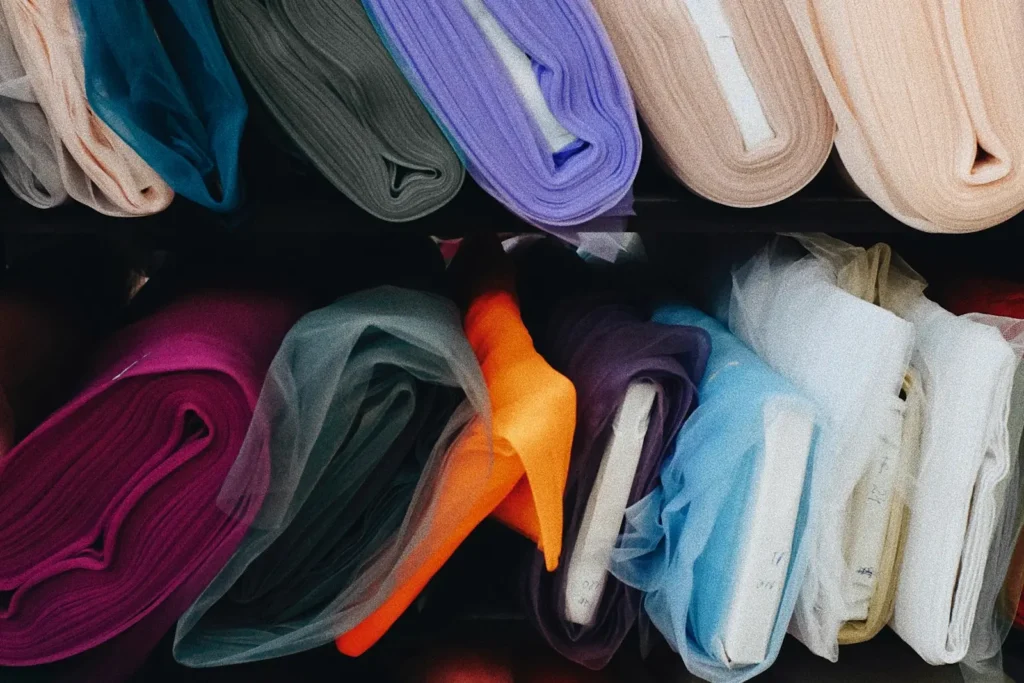
Stretch it hard: does it recover? Is it see-through stretched? Wash it five times: has it pilled or shrunk? Sublimate a test print: are colors bright and sharp?
Words like "antibacterial", "moisture-wicking" or "UV protection" are performance claims. Only use them if the mill can provide test evidence for your exact fabric.
Send your design, logo or reference. We reply within one working day.
Around 180–220 GSM for most brands.
Softer and cooler, but more expensive and not suited to standard sublimation.
Share a sketch, tech pack, reference photo or just your logo. We reply within one working day with options, a sample plan and pricing for your quantities. Minimum order: 10 pieces per design.
